Don’t Let a Tiny Magnet Sink Your Whole Shipment! What Yiwu Exporters Must Know About China’s New Rare Earth Rules
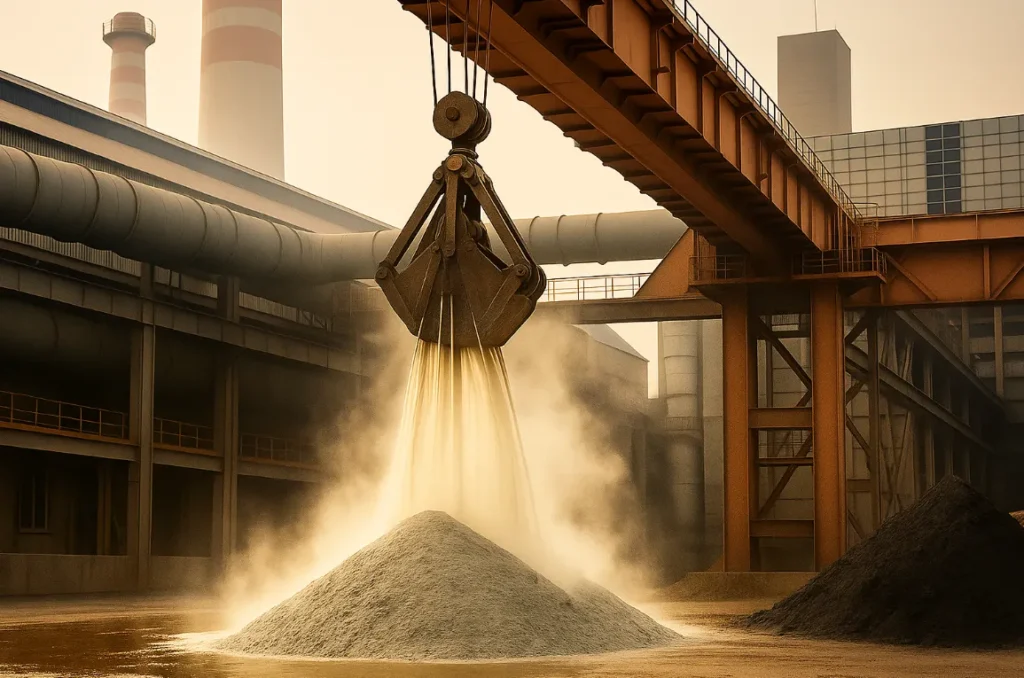
In October 2025, China officially tightened its export controls on rare earth materials—a move that’s sending ripples far beyond mining and refining sectors. While the policy primarily targets upstream raw materials, its impact is now reaching the world’s largest hub for small commodity manufacturing: Yiwu.
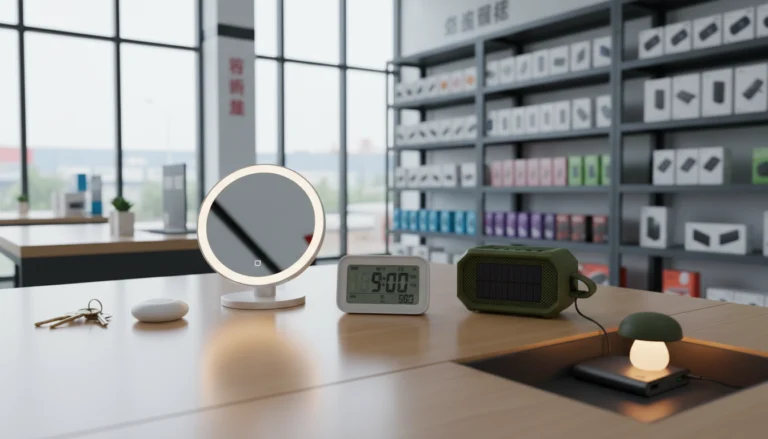
Many Yiwu-made products—seemingly ordinary items like magnetic toys, Bluetooth earphones, LED lights, or mini fans—contain components that rely on rare earth elements, such as neodymium magnets, europium-based phosphors, or micro-motors. Though these are finished consumer goods, not raw minerals, they may now face new compliance hurdles under stricter export scrutiny.
This raises urgent questions: Could your Yiwu shipment be delayed or rejected due to “invisible” rare earth content? And more importantly—can manufacturers turn this challenge into an opportunity through material substitution and supply chain innovation?
In today’s volatile trade environment, agility and compliance are the new competitive advantages. Companies like YiwuAgents, a global sourcing and export partner rooted in Yiwu, are already helping clients navigate this shift—ensuring smooth, transparent, and policy-compliant exports across the full spectrum of Yiwu’s small commodities.
1. Global Strategy, Local Impact: The Dual Effect of Rare Earth Controls
Rare earth elements—including neodymium, dysprosium, and europium—are essential to modern electronics, clean energy, and defense technologies. They power everything from electric vehicle motors to smartphone vibration modules and energy-efficient lighting.
According to the U.S. Geological Survey (USGS, 2024), China accounts for over 60% of global rare earth production and more than 80% of global refining capacity, making it the linchpin of the global supply chain.
In response to geopolitical pressures and sustainability goals, China’s Ministry of Commerce and Ministry of Industry and Information Technology jointly introduced enhanced export review mechanisms in 2025. These require transparent end-use declarations, traceable material flows, and verifiable downstream applications (MOFCOM, 2025).
The implication? Even if your product contains only trace amounts of rare earths, you may soon face “invisible compliance thresholds” during export declaration.
2. Hidden Risks in Yiwu’s Supply Chain
Yiwu’s manufacturing ecosystem relies heavily on upstream suppliers from Guangdong, Jiangsu, and Anhui—regions where rare earths are commonly used in electronic components, magnets, and coatings. Yet, risks often remain hidden:
- Embedded rare earth content: Neodymium-iron-boron (NdFeB) magnets in magnetic clasps, toy motors, or earphone drivers may fall under controlled categories.
- Opaque supplier documentation: Many component factories don’t disclose whether their materials contain rare earths, leaving Yiwu exporters guessing during customs filing.
- Customs uncertainty: Shipments flagged for unreported rare earth content risk delays, inspections, or even penalties—disrupting delivery timelines and client trust.
For small and medium-sized exporters, these “silent risks” can erode margins and damage long-term relationships with international buyers.
3. Turning Pressure into Opportunity: Pathways to Innovation
While tighter controls pose challenges, they also accelerate innovation. The Chinese government is actively encouraging material substitution and green manufacturing. Yiwu exporters can respond by:
- Switching to non-rare-earth alternatives: Use ferrite or AlNiCo magnets in low-power applications like decorative items or basic toys.
- Adopting eco-friendly materials: Companies using recycled or biodegradable components may qualify for government incentives and faster customs clearance.
- Collaborating with R&D institutions: Joint initiatives between Zhejiang University and the Yiwu Industrial Innovation Center are already piloting rare-earth-free solutions for consumer goods.
- Building transparent compliance systems: Maintain material composition reports, supplier certifications, and product traceability records to streamline exports and build buyer confidence.
Proactive adaptation today means market leadership tomorrow.
4. A New Lens from International Buyers
Buyers in Europe and North America are closely monitoring China’s rare earth policy. Many global brands are now actively seeking stable, traceable, and rare-earth-light suppliers—and Yiwu is well-positioned to fill this gap.
If a Yiwu factory can provide certification of rare-earth-free materials or sustainable sourcing, it could become a preferred partner in reshaped global supply chains.
In this new landscape, trust and transparency are worth more than rock-bottom pricing.
5. From Short-Term Response to Long-Term Transformation
China’s rare earth export controls are not about restricting trade—they’re about securing strategic resources and upgrading industrial quality. For Yiwu, this is a signal to move beyond volume-driven exports toward compliance, sustainability, and value-added manufacturing.
Companies like YiwuAgents are stepping up as strategic enablers—helping global buyers source everything from fashion accessories to household goods, while ensuring every product meets evolving regulatory standards. By auditing supply chains, identifying compliant alternatives, and facilitating clear documentation, YiwuAgents turns policy complexity into a service advantage.
The future belongs to those who see regulation not as a barrier, but as a blueprint for resilience.
Frequently Asked Questions (FAQ)
1. Which Yiwu products might contain rare earths?
Common examples include magnetic toys, earphones, mini motors, LED lamps, and glow-in-the-dark decorations.
2. Can I still export products containing rare earths?
Yes—but you must accurately declare material composition. If controlled substances are involved, additional documentation (e.g., end-use statements) may be required.
3. What are viable rare earth alternatives?
Ferrite magnets, AlNiCo alloys, and certain polymer composites offer lower magnetic strength but higher export compliance.
4. How can I ensure compliance?
Request material composition certificates from suppliers, keep detailed procurement records, and work with experienced customs brokers familiar with the new rules.
5. Will this increase production costs?
Short-term costs may rise slightly due to material shifts and documentation. But long-term, compliance builds brand trust and reduces supply chain risk—enhancing competitiveness.
References
- Ministry of Commerce of the People’s Republic of China (MOFCOM). (2025). Interpretation of the New Rare Earth Export Control Measures.
- Reuters. (2025, October). China’s export tightening reshapes global rare earth market.
- U.S. Geological Survey (USGS). (2024). Mineral Commodity Summaries 2024: Rare Earths.