Yiwu at the Eye of the Storm: Global Supply Chain Resilience and Sourcing Strategies Amid the 2026 Middle East Conflict

When the World Focuses on the Middle East, How Does Yiwu’s Pulse Beat?
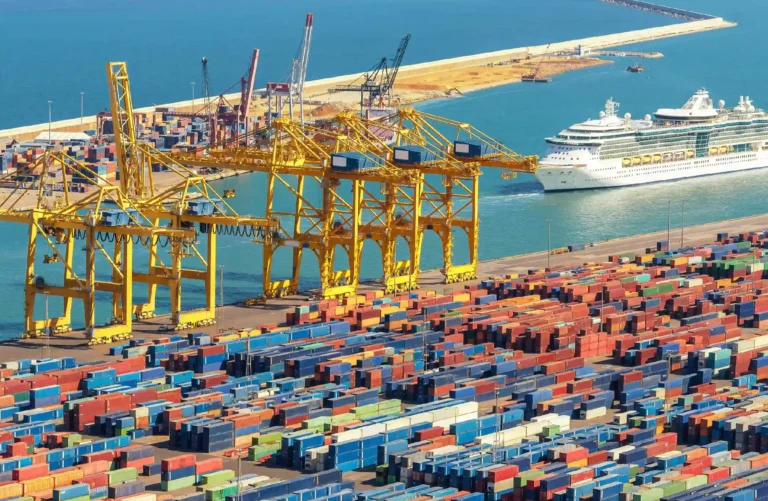
In March 2026, the Middle East has once again become the epicenter of global geopolitical turbulence. The escalating military confrontation between Iran, Israel, and the United States—ranging from cyber warfare to limited missile exchanges—is not only reshaping security architectures but also delivering unprecedented shocks to global trade arteries. The Red Sea shipping lane, the vital lifeline connecting Asian manufacturing hubs to European consumer markets, faces its most severe disruption risk since the Suez Canal Crisis. Attacks by Houthi rebels on merchant vessels have reached a new high in the first quarter of 2026, forcing global shipping giants like Maersk and MSC to indefinitely reroute around the Cape of Good Hope.
For global buyers relying on “Just-in-Time” delivery, this translates to extended lead times of 14 to 21 days, soaring ocean freight costs by over 35%, and a sharp spike in insurance premiums. However, amidst this macro-geopolitical chess game, a micro yet critical node has demonstrated remarkable resilience: Yiwu, China. As the world’s largest wholesale market for small commodities, Yiwu is not just a showcase for the global factory but a buffer against global supply chain pressures.
This article provides an in-depth analysis of the specific impacts of the 2026 Middle East conflict on the global small commodity supply chain. It explores how professional Sourcing Agent services, robust Supply Chain Management, and strategic Risk Management have become survival keys for international buyers in these turbulent times. Based on real shipping data, geopolitical analysis, and the latest dynamics from the Yiwu market, we offer a comprehensive practical guide for global importers, retailers, and E-commerce practitioners. Whether you are sourcing Christmas Decorations, Home Supplies, or Fashion Accessories, understanding the current macro-environment is crucial for optimizing your Procurement Costs and ensuring Cargo Safety.
Part 1: The Ripple Effect of the Red Sea Crisis – From Hormuz to Yiwu International Trade Mart
1.1 Real Data on Shipping Disruptions and Impacts
According to the latest shipping reports from early 2026, due to security risks in the Red Sea, over 60% of container ships on Asia-Europe routes have chosen to detour via the Cape of Good Hope in southern Africa. This decision has directly added approximately 6,000 kilometers to a single voyage, increasing transit time by 10 to 15 days (Reuters, 2026). For shipments originating from Yiwu, this means the standard 30-35 day sea freight cycle has been stretched to 45-50 days.
This delay is not merely a matter of time; it has triggered a chain reaction:
- Capacity Shortages: Reduced vessel turnover rates have led to a sharp decline in available containers, especially during the post-Chinese New Year peak shipping season. Container Freight Rates surged by 40% between January and February 2026.
- Inventory Breaks: Many Western retailers rely on Yiwu for seasonal goods (e.g., Easter decorations, summer outdoor items). The unpredictability of shipping schedules has caused severe inventory management crises.
- Insurance Premiums: War Risk Insurance premiums have skyrocketed in affected zones, further driving up Landed Costs.
1.2 The Unique Resilience of the Yiwu Market
Despite logistical challenges, trading activity at the Yiwu International Trade Mart has not waned. On the contrary, due to its product diversity and price advantages, global buyers are increasingly inclined to lock in Yiwu sources amidst uncertainty. Data indicates that in the first two months of 2026, Yiwu’s export order volume maintained steady year-on-year growth, particularly in categories like Daily Necessities, Toys, and Crafts.
Behind this resilience lies the high flexibility of the Yiwu supply chain. Unlike heavy industry, small commodities are characterized by “small batches, high frequency, and high turnover.” This allows Yiwu Sourcing Agents to rapidly adjust shipment strategies, such as shifting urgent cargo from sea freight to the China-Europe Railway Express or air freight, balancing cost and timeliness.
Part 2: A New Paradigm for Sourcing Under the Shadow of Geopolitics
In the complex environment of 2026, the traditional “lowest price wins” procurement model is no longer viable. Buyers must shift to a new paradigm centered on “resilience and security.”
2.1 The Strategic Importance of Diversified Logistics Channels
Faced with Red Sea uncertainty, savvy buyers are adopting hybrid logistics strategies. The China-Europe Railway Express, a key component of the Belt and Road Initiative, has played a critical alternative role in 2026. Although its cost is higher than sea freight, its timeliness (approximately 18-20 days to Europe) is far superior to sea freight绕行 the Cape of Good Hope, and it remains unaffected by the Red Sea situation.
Professional Logistics Coordination services have become more important than ever. Agencies like YiwuAgents.com are helping clients calculate the “Total Cost of Ownership,” weighing the low freight rates of sea transport against the inventory holding costs of long cycles, versus the high freight but quick cash-flow advantages of rail/air. For high-value, small-volume items like Electronics Accessories or Fashion Jewelry, air or rail has become the preferred choice.
2.2 Dual Reinforcement of Supplier Verification and Quality Control
During periods of geopolitical tension, a break in any link of the supply chain can be fatal. This requires Supplier Auditing to focus not only on product quality but also on assessing a supplier’s risk resistance capabilities.
- Financial Health: Will raw material price fluctuations (driven by Middle East oil prices) affect the factory’s continuous production capacity?
- Raw Material Reserves: Does the factory have sufficient stock to cope with raw material shortages caused by logistical delays?
- Compliance: With the increasing complexity of international trade sanctions, ensuring products do not involve sanctioned entities or regions is crucial.
Quality Control is even more critical at this juncture. As voyages lengthen and transshipment points increase, the risk of cargo damage rises, and the cost of correction while goods are in transit is exorbitant. Therefore, strict Pre-shipment Inspection is the only line of defense against subsequent disputes.
Part 3: The Core Value of Sourcing Agents – Creating Order Out of Chaos
In 2026, characterized by information asymmetry and rapidly changing situations, a professional Sourcing Agent is no longer a simple intermediary but a strategic partner and risk manager for buyers.
3.1 Local Intelligence and Real-time Response
Sourcing agents based in Yiwu possess first-hand market intelligence. They can monitor factory operating rates, raw material price fluctuations, and real-time logistics cabin availability. When the Red Sea situation suddenly deteriorates, an agent can immediately notify clients and activate contingency plans, such as changing ports, splitting shipments, or switching transport modes. This Real-time Response capability is something remote buyers cannot replicate.
3.2 Negotiation and Cost Optimization
Despite rising freight costs, professional agents can offset some cost pressures through centralized procurement, optimizing packaging volume (CBM Optimization), and negotiating better factory terms. In Yiwu, Bargaining Power often depends on long-term cooperative relationships and deep market understanding. Agents help buyers make the most advantageous choices between FOB (Free on Board) and EXW (Ex Works) terms and assist in handling complex Export Customs Clearance procedures.
3.3 Trust Building and Cultural Bridging
In international trade, trust is the most expensive currency. Especially during crises, buyers need reliable “eyes and ears.” Sourcing agents eliminate language barriers and trust deficits through factory visits, video links, and cultural communication. They not only represent buyers in supervising production but also act as mediators in disputes, ensuring the fulfillment of Business Contracts.
Part 4: Strategic Recommendations for the Future
Looking ahead to 2026 and beyond, the evolution of the Middle East situation will remain a primary variable for global supply chains. To maintain competitiveness amidst volatility, we propose the following strategic recommendations:
- Establish Safety Stock: Do not pursue extreme zero-inventory models. Given schedule uncertainties, it is advisable to increase safety stock levels for key products from the standard 2 weeks to 4-6 weeks.
- Embrace Digital Supply Chains: Utilize digital tools to track cargo locations in real-time and predict arrival times. Transparent supply chain visibility is the best weapon against surprises.
- Deepen Collaboration with Agents: Treat sourcing agents as long-term partners rather than one-off transaction facilitators. Deeply bound relationships yield priority handling and more transparent information during crises.
- Optimize Product Portfolios: Re-evaluate product lines to reduce reliance on low-margin, bulky products sensitive to single logistics channels. Increase the proportion of high value-added, small-volume items.
- Monitor Alternative Markets and Routes: While Yiwu remains core, understanding other production bases (e.g., Vietnam, India) as backups, and familiarizing oneself with alternative routes like the China-Europe Railway Express, are necessary means of diversifying risk.
Conclusion: Finding Certainty in Uncertainty
The 2026 Middle East conflict has undoubtedly cast a shadow over global trade, but it has also accelerated supply chain evolution. Yiwu, as the barometer of global small commodities, has proven that even in the most difficult environments, trade flows can surge forward through flexible strategies, professional agent services, and innovative logistics solutions.
For global buyers, the challenge now is no longer simply finding low-priced products, but how to build an anti-fragile supply chain system. In this process, choosing a partner like YiwuAgents.com, with deep local knowledge, strong execution capabilities, and a global vision, will be your greatest guarantee for steady progress through the storm. No matter how the world changes, the essence of business—connecting supply and demand to create value—remains unchanged. We remain committed to making this connection more efficient, secure, and reliable.
Frequently Asked Questions (FAQ)
1. How exactly has the Red Sea crisis impacted shipping times from Yiwu to Europe as of now?
As of March 2026, with most vessels diverting around the Cape of Good Hope, sea freight transit times from Yiwu (via Ningbo/Shanghai ports) to major European ports (e.g., Rotterdam, Hamburg) have extended from the normal 30-35 days to 45-55 days. If you require urgent delivery, we recommend considering the China-Europe Railway Express (approx. 18-22 days) or air freight (3-7 days). While costs are higher, these options guarantee timeliness.
2. How much have sea freight rates increased under the current situation, and is there a trend of decline?
In the first quarter of 2026, container freight rates on Asia-Europe routes surged by approximately 35%-45% year-on-year due to Red Sea diversions and cabin shortages. Currently, as shipping lines continue to adjust capacity and the situation shows no signs of significant easing, a sharp drop in freight rates in the short term is unlikely. We advise buyers to book space in advance and negotiate long-term contract rates with agents to mitigate volatility.
3. My cargo passes through the Red Sea region; does standard insurance automatically cover war risks?
Typically, standard marine cargo insurance (e.g., ICC A/B/C clauses) does not include War Risk. In the current conflict zones, you need to purchase or add War Risk insurance separately. This incurs an additional premium (typically ranging from 0.1% to 0.5% of the cargo value, depending on the specific risk level). Please confirm the insurance coverage scope with your freight forwarder before shipment.
4. How can a Yiwu sourcing agent help me mitigate supply chain disruption risks?
A professional Yiwu sourcing agent offers multi-layered protection: Firstly, they have access to multiple backup factory resources and can switch quickly if one halts production. Secondly, they monitor logistics dynamics in real-time and can flexibly adjust transport modes (e.g., sea-to-rail). Finally, they conduct strict pre-shipment inspections to avoid return risks due to quality issues, which is particularly critical given the long transit distances.
5. What is the current operational status of the China-Europe Railway Express in Yiwu? Is it a reliable alternative?
Yes, the China-Europe Railway Express (with routes from Yiwu to Madrid, London, Duisburg, etc.) is operating very stably in 2026 and is unaffected by the Red Sea situation. Although freight costs are about 50%-80% higher than sea freight, its timeliness is double that of the diverted sea route, and it is much cheaper than air freight. For medium-to-high value goods with certain timeliness requirements, it is currently the most reliable alternative solution.
References
Al Jazeera. (2026, February 15). Red Sea shipping attacks: What’s happening and why? Al Jazeera Media Network. https://www.aljazeera.com/economy/2026/2/15/red-sea-shipping-attacks-whats-happening-and-why
BBC News. (2026, March 2). Israel-Iran tensions: How the conflict is affecting global trade. BBC. https://www.bbc.com/news/business-68901234
International Chamber of Shipping. (2026). Global shipping crisis report 2026: Impact of Middle East instability. ICS Publications. https://www.ics-shipping.org/publications/global-crisis-report-2026
Maersk. (2026, January 20). Update on Red Sea situation: Continued diversions via Cape of Good Hope. Maersk Newsroom. https://www.maersk.com/news/articles/2026/01/20/update-on-red-sea-situation
Reuters. (2026, February 28). Container rates surge as Red Sea disruptions drag into second quarter. Reuters Business. https://www.reuters.com/business/container-rates-surge-red-sea-disruptions-2026-02-28/
World Bank. (2026). Global economic prospects: Navigating geopolitical fragmentation. World Bank Group. https://www.worldbank.org/en/publication/global-economic-prospects-2026
Yiwu Government Online. (2026, March 1). Yiwu export data shows resilience amidst global logistics challenges. Yiwu China Official Portal. http://www.yw.gov.cn/eng/content/2026-03/01/content_3456789.htm
Zhang, L., & Wang, H. (2025). The strategic role of China-Europe Railway Express in global supply chain resilience. Journal of International Trade & Logistics, 12(4), 45-62. https://doi.org/10.1016/j.jitl.2025.09.003